Every season we see avoidable situations on the slopes: skiers out of control, dangerous crossings or people stopping in braking zones. Knowing and respecting the rules is not bureaucracy: it is what keeps everyone safe, from beginners to experts.
1. Control your speed and line
You must always ski or ride in a way that lets you stop or avoid any obstacle. Match your speed to your level, visibility and slope conditions. If you cannot control the descent, choose an easier run.
2. Priority for those ahead
The skier or snowboarder behind must keep enough distance for the person ahead to move freely. Collisions from behind are usually the overtaking skier's responsibility, unless the person ahead acts unpredictably.
3. Overtake with margin
You may pass above or below, left or right, but always leave enough space for the person being overtaken to complete their line without having to brake suddenly.
4. Enter the slope with care
When joining a run from a lift, restaurant or side area, always look uphill and downhill. Give way to those already descending.
5. Stop in visible places
If you need to stop, do so at the edge of the piste or where you are clearly visible from above. Never stop behind a mogul, below a jump or in the middle of a traffic zone.
6. Walk uphill at the edge
If you lose a ski or need to climb, always stay at the edge of the piste, never in the centre. That way you avoid becoming an unexpected obstacle.
7. Respect signage
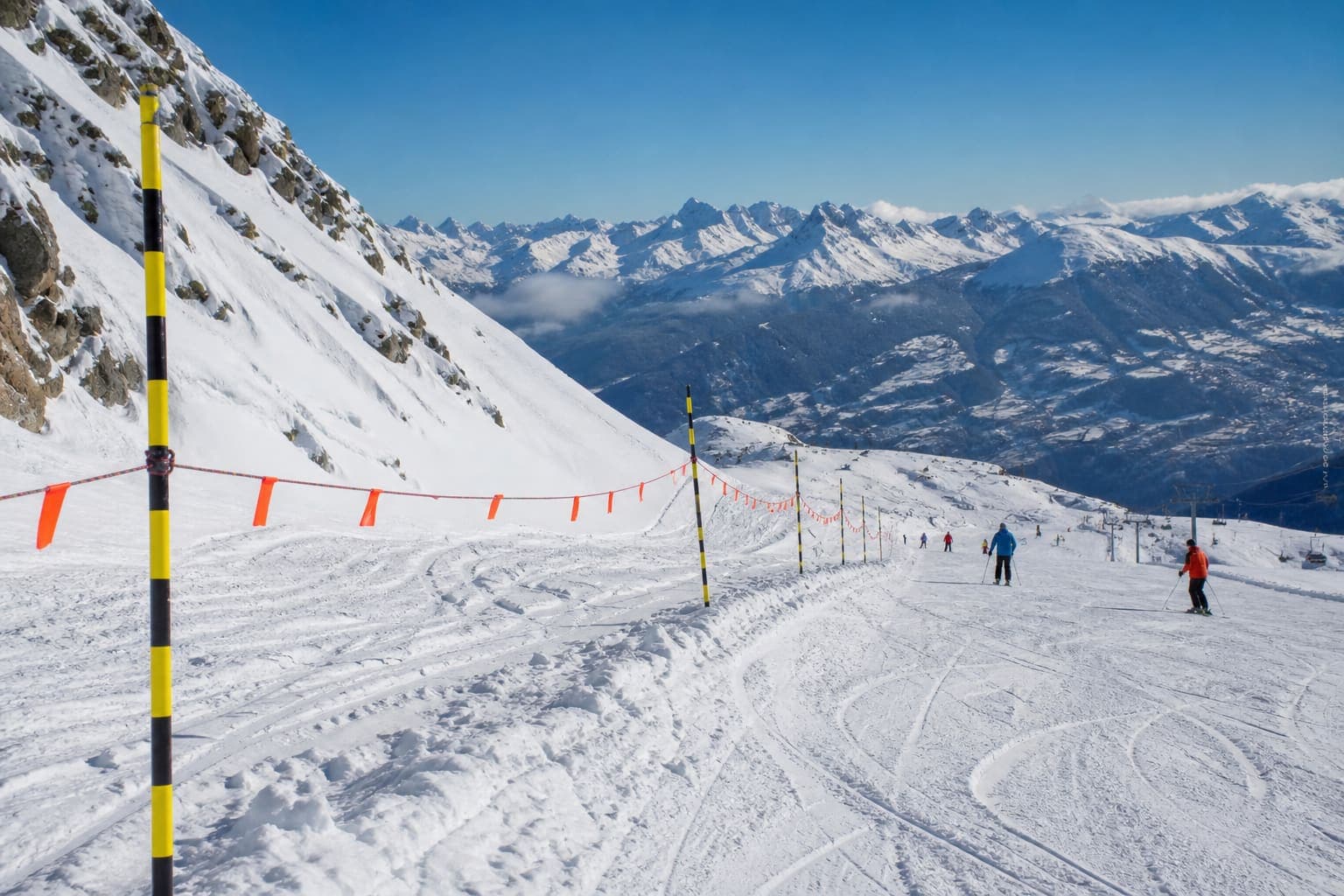
Slope markers, closure tapes and resort staff instructions exist for a reason. A closed run may hide real risks: ice, thin snow, maintenance work or avalanche danger.
8. Help in accidents
If you witness an accident, mark the area, alert piste patrol and do not move the injured person unless there is immediate danger. The code of conduct requires you to assist within your means.
9. Identification and contact details
Carry ID and an accessible phone. In an accident it greatly helps assistance. If you are with children, make sure they have a visible contact.
10. Helmet and equipment in good condition
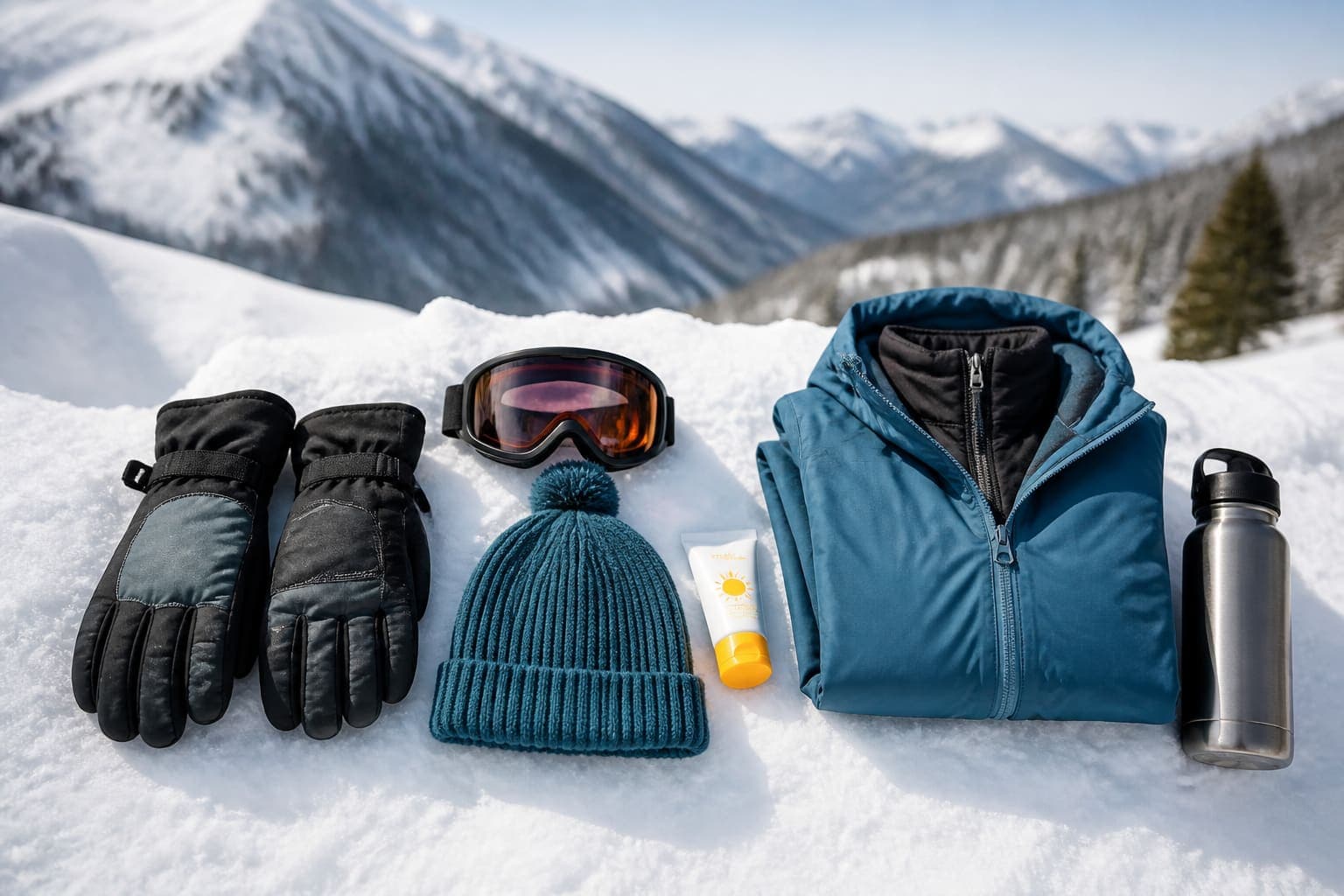
A helmet significantly reduces head injuries. Check bindings, edges and boots before going up. Neglected equipment is a frequent cause of avoidable accidents.
Learn safety with professionals
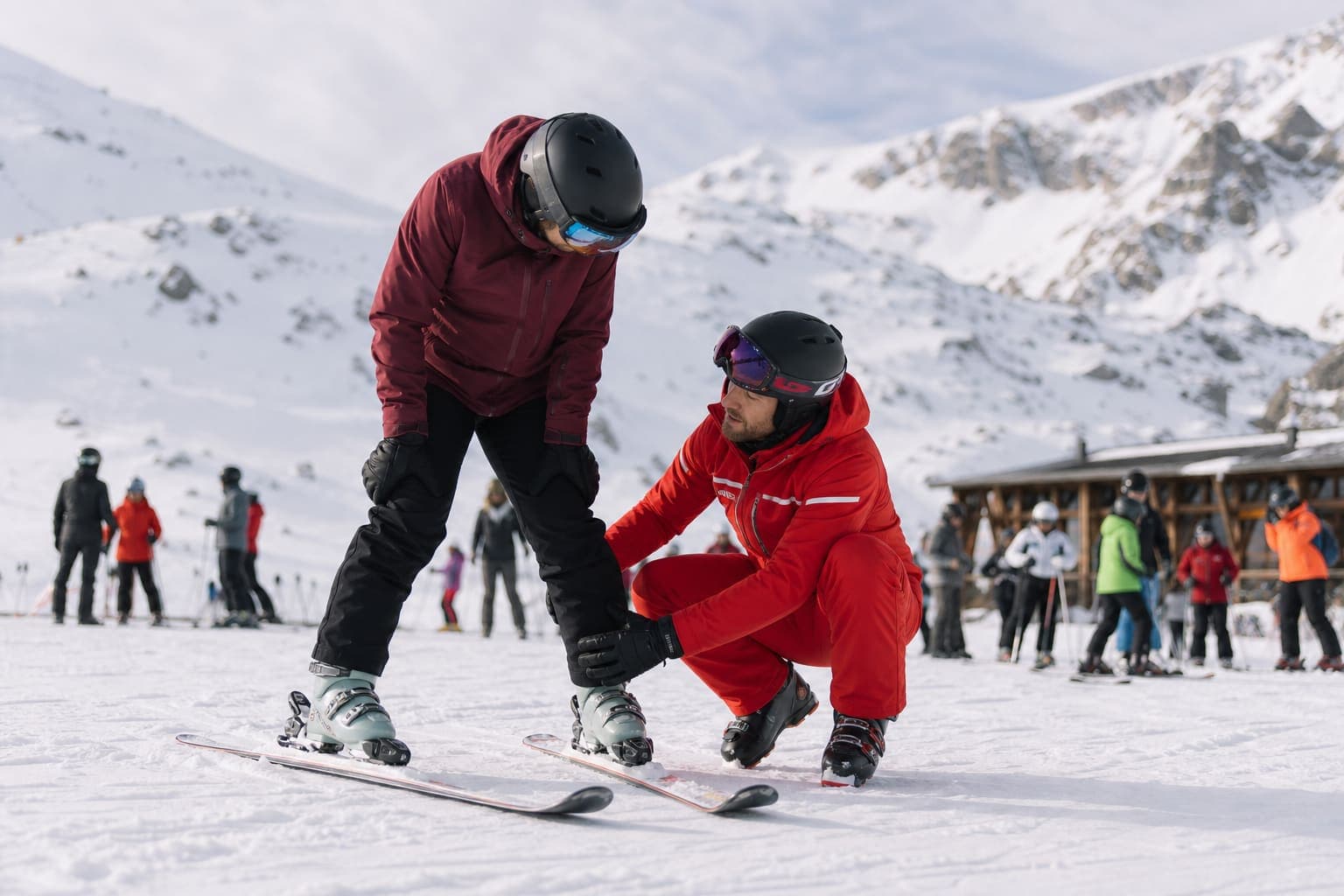
At Explora School & Club mountain rules are part of every lesson, not a separate note. If it is your first time, pair this guide with our first-time Sierra Nevada tips and book your lesson to descend with sound judgement.

On snow with Explora
Want to try it in a ski and snowboard lesson?
Take the guide onto the snow: ski and snowboard lessons with Explora in Sierra Nevada.